Source Light Up Neon Bow Tie for Festivals, Weddings, and Parties
Explore 30 listings for the light up neon bow tie, featuring options in polyester and optical fiber fabric with various battery types. Buyers can compare specifications like color, size, and power supply to find suitable suppliers for events.
Key considerations
Products List


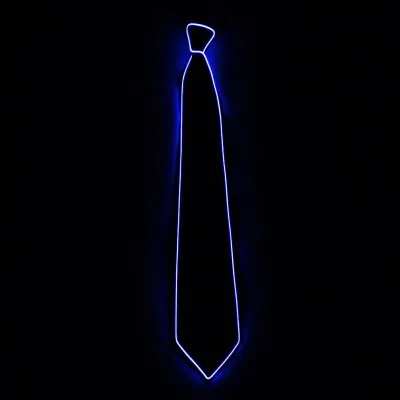
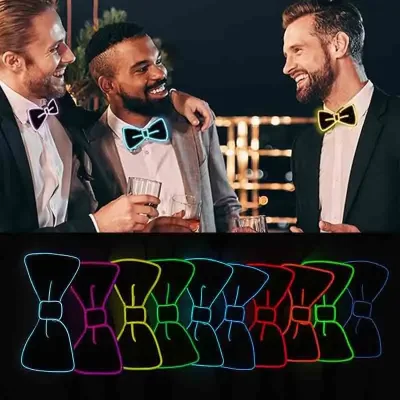
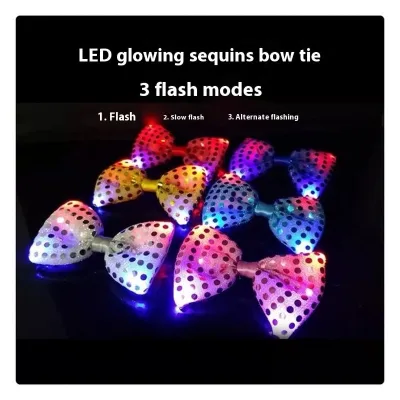
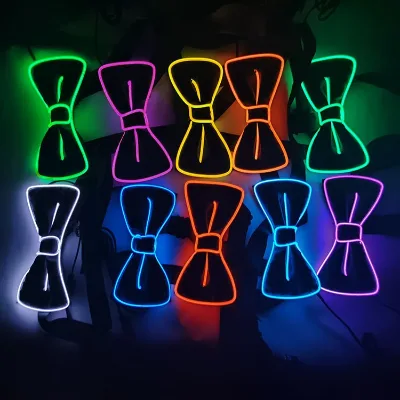


Comprehensive Sourcing Guide
Strategic Sourcing Guide for Light Up Neon Bow Ties
The global demand for illuminated accessories has surged, driven by the need for high-visibility, interactive elements in entertainment, events, and promotional campaigns. The light up neon bow tie represents a specific niche within this broader category, combining traditional formal wear aesthetics with modern electroluminescent (EL) or LED technology. For B2B procurement professionals, sourcing these items requires a nuanced understanding of technical specifications, power management, and supply chain logistics. This guide provides a structured approach to evaluating suppliers and products, ensuring that procurement decisions are grounded in verified data and industry best practices rather than marketing assertions.
Technical Specifications and Power Architecture
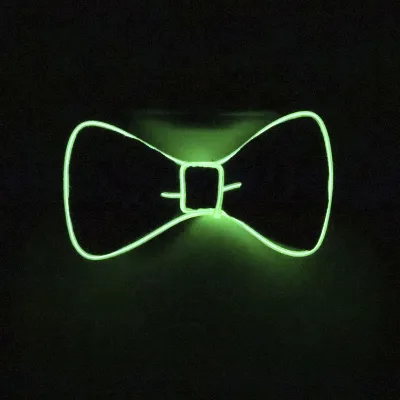
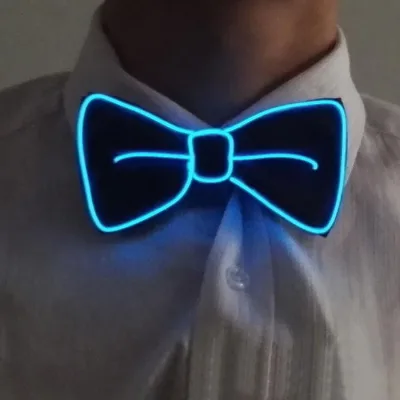
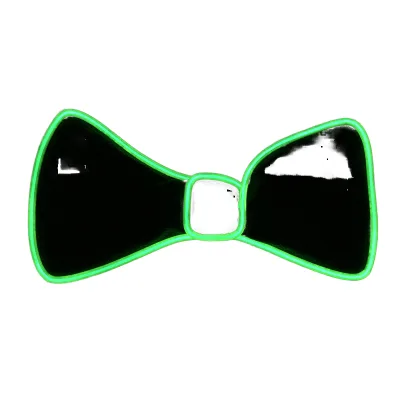
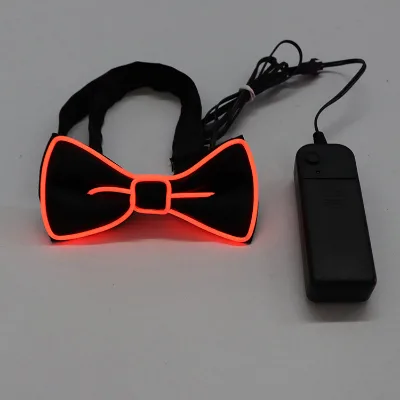
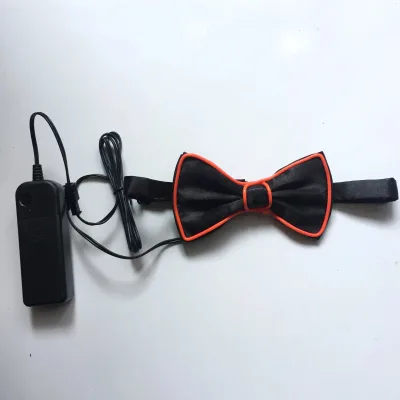
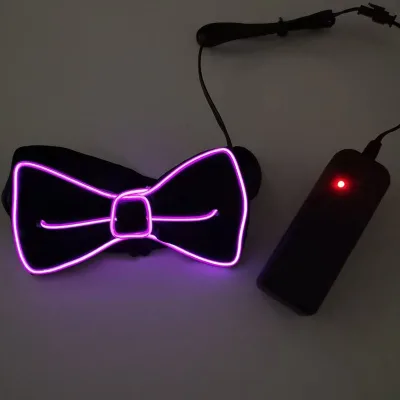
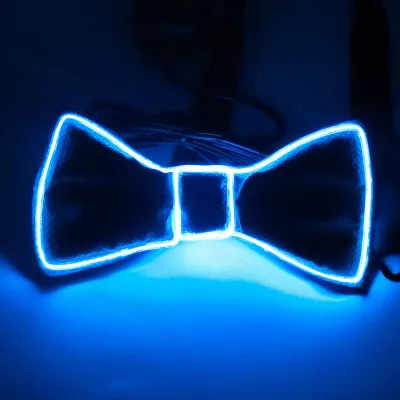
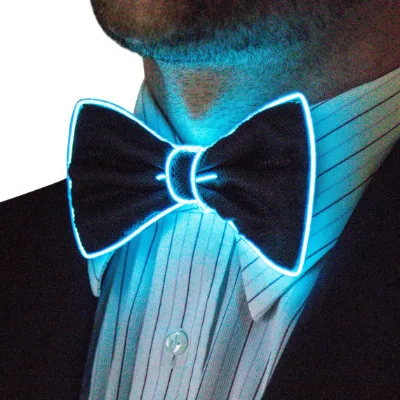
The core functionality of a light up neon bow tie relies on the integration of light-emitting materials with a reliable power source. Based on observed product data, the market presents two distinct technological approaches: EL wire-based systems and LED-based fiber optic systems. The EL wire variant typically utilizes a polyester material base with an integrated wire that glows when energized. These units often operate on standard 1* AAA batteries, offering a straightforward power solution that is easily replaceable by the end-user. The physical dimensions for these units are generally compact, with single package sizes recorded around 12x7x2.5 cm and a gross weight of approximately 0.120 kg. The bow tie itself often measures approximately 2.5 x 4.75 inches, ensuring it remains proportional to standard neckwear.
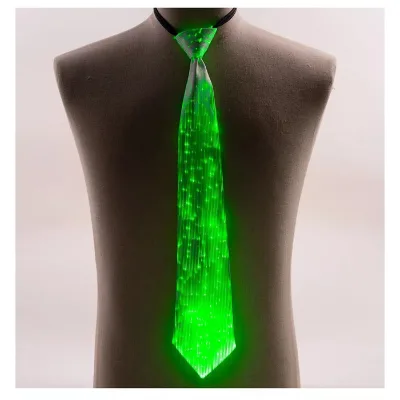
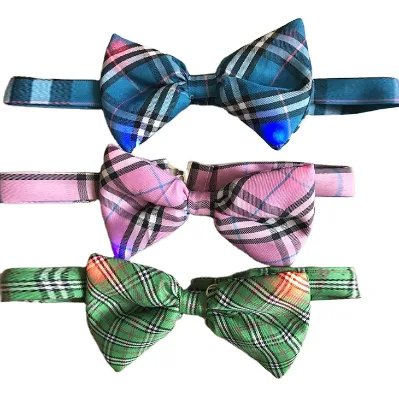
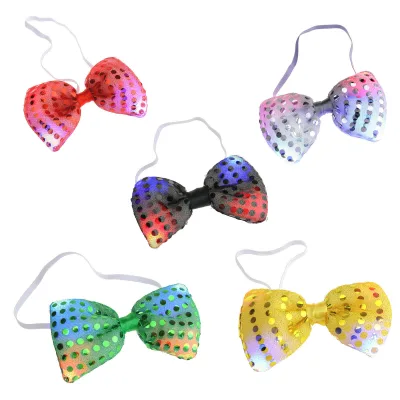
In contrast, the LED-based optical fiber fabric variant offers a different set of specifications. These products utilize RGB LED lights capable of displaying multiple colors and flash modes, such as seven distinct colors and four flash patterns. The power architecture for these units is more complex, often featuring a rechargeable 230mAh lithium battery with a voltage of 3.7V. This rechargeable system typically requires a charge time of 2-3 hours and provides a battery working time of 3-5 hours per charge. The physical footprint for these units is larger, with single package sizes reaching 20x10x5 cm and a significantly higher single gross weight of 1.000 kg due to the inclusion of the battery box, USB charge cable, and manual. Buyers must verify the specific power requirements of their target market, as the transition from disposable AAA batteries to rechargeable lithium systems impacts both the initial unit cost and the long-term user experience.
Material Composition and Durability Standards
Material selection is a critical factor in determining the longevity and safety of the product. The primary structural material for the bow tie body is consistently identified as polyester. In the LED variants, the material is described as a blend of polyester and plastic, or specifically as optical fiber fabric. This composition allows for flexibility and durability, essential for an item that will be worn and moved frequently. The technique used for the fabric is often plain dyed, which provides a uniform base color before the lighting elements are integrated.
When evaluating material quality, buyers should look for evidence of "Environment-Friendly" claims, which appear in supplier advantages. However, without specific third-party test data, this remains an observation rather than a certified fact. The packaging is typically a single item per PVC bag, which offers basic protection during transit. For the LED models, the inclusion of accessories like a battery box and USB cable suggests a more robust internal construction. Buyers must verify that the plastic components used in the housing and the optical fibers meet flammability and electrical safety standards, particularly since these items are worn close to the body and often in environments with high foot traffic. The "High Quality" advantage listed by suppliers should be substantiated through sample testing for wire durability and light consistency.
Cost Drivers and Pricing Dynamics
The pricing structure for light up neon bow ties is influenced by several variables, including the technology used, the complexity of the lighting system, and the order volume. The observed listed price range in the market spans from $0.41 to $12.99 USD. This wide disparity indicates significant differences in product complexity. The lower end of the spectrum likely corresponds to the simpler EL wire models powered by AAA batteries, which have lower component costs and simpler assembly processes. The higher end of the range corresponds to the advanced LED models with rechargeable lithium batteries, multiple color modes, and integrated charging cables.
Minimum Order Quantity (MOQ) is another critical cost driver. The observed MOQ range varies from 2 to 2000 units. Suppliers with lower MOQs, such as those allowing orders of just 2 units, are typically suited for sampling or small-scale promotional needs but may carry a higher per-unit cost. Conversely, suppliers requiring MOQs of 2000 units are positioned for large-scale wholesale distribution, where economies of scale can drive the per-unit price down significantly. Buyers must balance their inventory needs against the cash flow implications of high MOQs. Additionally, the "Wholesale" advantage suggests that pricing tiers are likely available, but the specific discount structures must be negotiated directly with the supplier.
Compliance, Certification, and Safety Verification
Safety compliance is paramount when sourcing electronic accessories that are worn by humans. While the provided data mentions "High Quality" and "Environment-Friendly" attributes, it does not explicitly confirm specific certification statuses for the electronic components. The background information references ISO 27001:2022, but this standard pertains to information security management and is not directly relevant to the physical safety or electrical compliance of a wearable lighting product. Therefore, buyers should not assume that a supplier's mention of this standard implies their products are electrically certified.
Instead, procurement teams must verify compliance with regional electrical safety standards, such as UL (USA), CE (Europe), or RoHS (Restriction of Hazardous Substances). For products containing lithium batteries, specific regulations regarding battery transport and safety are mandatory. Buyers should request test reports for the battery box, the wiring, and the light source to ensure they do not overheat or pose a fire hazard. The "Place of Origin" is listed as Guangdong, China, a major manufacturing hub, but this location alone does not guarantee compliance. Verification of the supplier's ability to provide valid certification documents for the specific model number, such as FNT-01 or Ltie-001, is essential before placing a large order.
Supplier Evaluation and Service Capabilities
Evaluating a supplier for light up neon bow ties requires looking beyond the product specifications to their service capabilities. The data indicates that many suppliers offer OEM (Original Equipment Manufacturer) and ODM (Original Design Manufacturer) services. This capability is crucial for buyers looking to brand the product with their own logo or customize the lighting patterns and colors. The "Brand Name" field shows a mix of specific brands like "Infinite-lighting" and "Hengxuan," as well as "OEM," indicating that many suppliers operate as white-label manufacturers.
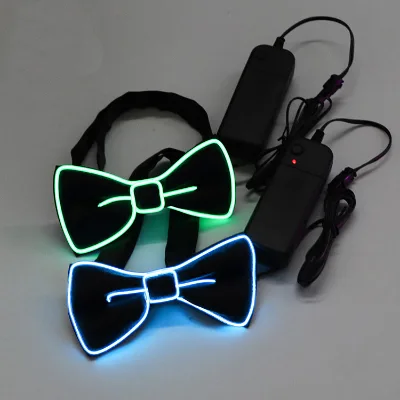
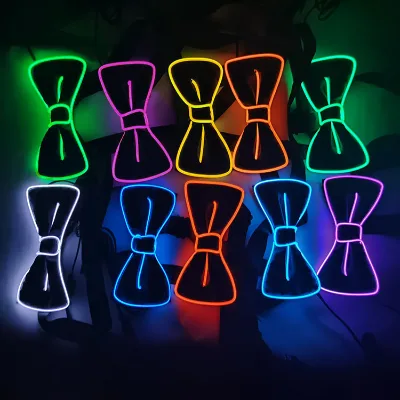
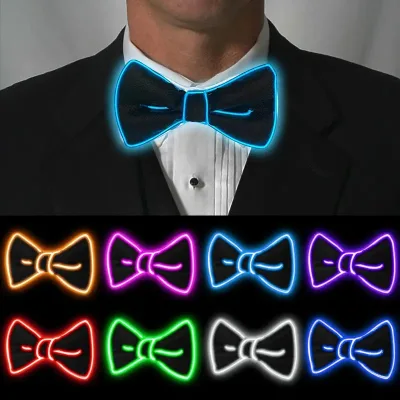
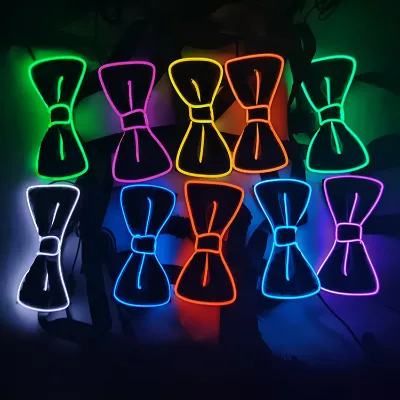
When assessing suppliers, buyers should prioritize those with a proven track record in "fast delivery," which is listed as a key advantage. In the context of event-based products, lead time is often the most critical factor. A supplier that cannot meet a tight deadline for a festival or wedding season may render the product obsolete before it reaches the customer. Buyers should also verify the "Service" capabilities regarding customization. For instance, the "Tie Color" is listed as white or customizable, and the "Color" options include a wide spectrum from standard hues like Blue, Green, and Red to specific shades like Neon Green and Ice Blue. Confirming the feasibility of custom color requests and the associated costs is a vital step in the supplier selection process.
Typical Applications and Market Segmentation
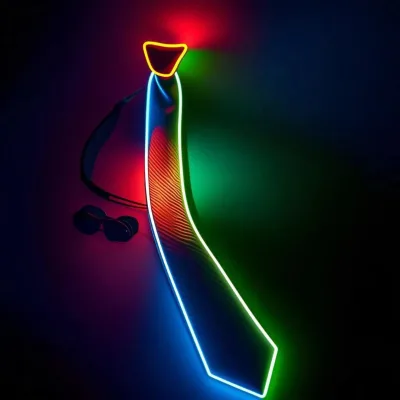
The versatility of the light up neon bow tie allows it to serve a diverse range of applications. The "Occasion" field highlights "Festival," "Wedding," "Social Gathering," and "Formal" events. The "Product Name" and "Type" fields further categorize these items as "Party Favor," "Wedding gifts," and "Light up tie." This broad applicability means that buyers can target multiple market segments with a single product line.
For the festival and party market, the emphasis is on visibility and fun. The "Creative" pattern and multi-color options like "Multi color" and "Neon Green" are particularly attractive for these audiences. In the wedding sector, the "Unisex" gender classification and the availability of "White" or "Customize color" options make the product suitable for groomsmen, bridesmaids, or unique wedding themes. The "Age Range" of 14+ years suggests that these products are generally marketed toward teenagers and adults, making them less suitable for young children unless specific safety features are added. Understanding these segmentation nuances helps buyers tailor their marketing and inventory strategies to the specific needs of their target customers.
Quality Control and Long-Term Procurement Considerations
Implementing a robust quality control (QC) process is essential to mitigate the risks associated with electronic wearables. Given the variation in single gross weight and package size, buyers should establish clear acceptance criteria for packaging integrity and component inclusion. For the LED models, verifying that the USB charge cable and battery box are present and functional is a basic QC step. For the EL wire models, checking the brightness and uniformity of the light emission is critical.
Long-term procurement considerations involve building a relationship with suppliers who can scale production. The "Model Number" variations, such as 588863050106 and Ltie-001, suggest that suppliers may have multiple SKUs. Buyers should ensure that the supplier can maintain consistency across batches, particularly regarding the "Bow tie size" and "Battery working time." If a supplier claims a 3-5 hour battery life, this should be verified through independent testing on a sample batch. Furthermore, the "Selling Units" being listed as "Single item" implies that the product is sold individually, which affects packaging and logistics planning. Buyers should also consider the environmental impact of the PVC bags and the disposal of batteries, aligning with the "Environment-Friendly" claims where possible. By focusing on these technical and operational details, buyers can secure a reliable supply chain for light up neon bow ties that meets both quality standards and market demands.
FAQs
What power source do light up neon bow ties use?
Most models use 1 AAA battery or a rechargeable 230mAh lithium battery. The specific power type depends on whether the product uses EL wire or LED technology, with rechargeable options offering 3-5 hours of operation.
Which bow tie sizes are available for these products?
Standard EL wire models measure approximately 2.5 by 4.75 inches. LED variants often come in standard sizes around 120mm by 60mm, with packaging dimensions varying based on the included battery box and accessories.
Can I customize the color of the light up bow tie?
Yes, many suppliers offer customization for tie colors such as white or specific shades. Options include standard colors like blue, green, and red, as well as neon variations like lime-green or ice blue.
What is the typical minimum order quantity for these items?
The minimum order quantity ranges from 2 to 2000 units depending on the supplier. Lower MOQs suit sampling needs, while higher quantities are required for wholesale distribution to achieve better pricing tiers.
How long does the battery last on a single charge?
Rechargeable models provide a battery working time of 3 to 5 hours per charge. These units typically require a charge time of 2 to 3 hours using the included USB cable and battery box.
What materials are used to construct the bow tie body?
The primary material is polyester, often blended with plastic or optical fiber fabric for LED versions. This composition ensures flexibility and durability while supporting the integrated lighting elements effectively.
Which occasions are suitable for wearing these light up ties?
These items are designed for festivals, weddings, social gatherings, and formal events. They serve as party favors or wedding gifts and are suitable for unisex wearers aged 14 years and older.